
RECAP: Land & Wildlife Conservation Policy from the 2026 General Assembly Session

Of the 219 bills that Virginia Conservation Network took a position on this session, our Partners supported 20 bills that protect Virginia’s natural lands and wildlife. Our Partners advocated for policies that:
- Restore our diminishing tree coverage
- Reduce invasive species
- Fund critical land conservation and outdoor recreation programs
- Protect native wildlife & habitats
See the wins and missed opportunities for land & wildlife conservation policy below. You can see the outcomes of all of VCN’s policy positions on our Bill Tracker.
POLICY WINS & LOSSES FOR LAND & WILDLIFE CONSERVATION
IMPROVING LAND CONSERVATION FUNDING & PROGRAMS

Mountain View of Skyline Drive, Virginia. Photo by Melissa Zukowski.
Conserving our working and natural lands is important to sustain the health of our families, wildlife, and water. State agencies, nonprofit organizations, and conservation-minded landowners have provided funding and support to continue protecting these lands. Yet, more full and consistent support and funding is needed to continue land conservation efforts.
Legislators passed a bill to remove administrative burdens from land trusts aiming to acquire and conserve working and natural lands (HB846). Yet, legislators missed the opportunity to allow federally recognized tribes to hold easements on their lands.
PRESERVING TREES DURING DEVELOPMENT

Morning Fog in Westmoreland County, Virginia. Photo by Katharina Bergdoll.
Virginia continues to lose tree canopy at an alarming rate. The loss of tree canopy limits our ability to manage stormwater, flooding, and impacts from pollution and extreme heat. Fortunately, legislators passed a bill to provide additional authority for localities to establish tree canopy goals and enable all Virginia localities to adopt tree preservation ordinances (HB549).
Learn more about the preserving tree canopy on our Bill of the Day post.
FUNDING LIFE-SAVING WILDLIFE CORRIDORS

Deer Crossing a Road. Photo by Wild Virginia.
Wildlife crossings are road under/overpasses that allow animals to move safely between habitats, significantly reducing vehicle collisions, associated collision costs, and harms to both people and animals. Wildlife crossings are a proven, cost-effective solution to improve wildlife habitat connectivity, but need dedicated funding to implement them.
The good news is that legislators passed the Wildlife Corridor Grant Fund (HB597), which will provide grants for projects that conserve or enhance wildlife corridors. The fund is supported by voluntary contributions collected through DMV transactions and income tax filings. This legislation builds on previous years’ efforts to provide dedicated funding for wildlife corridor projects.
Unfortunately, legislators missed the opportunity to establish an Interagency Implementation Group (HB596) to coordinate and advance projects, policies, and priorities in the Virginia Wildlife Corridor Action Plan (WCAP).
Learn more about the importance of wildlife crossings on our Bill of the Day post.
PROTECTING NATIVE PLANTS

Kudzu at Rappahannock River Valley National Wildlife Refuge in Warsaw, Virginia. Photo by T. Caldwell and J. Craven / USFWS
Virginia’s native plant species provide many benefits to our environment, economy, and communities: cleaning our air, reducing stormwater runoff and flooding, improving native biodiversity, and more. With growing threats of habitat loss, invasive plant species, and pollution, it is essential to take action to protect and preserve native plants.
Legislators passed several pieces of legislation to protect and preserve native plants:
- Directs the Commonwealth Transportation Board to plan for invasive plants management along state highways (HB88)
- Removes the loophole that prohibits adding a plant to the Noxious Weeds List if it is currently being grown or sold in Virginia, regardless of any harm it is causing (HB109)
- Allows local governments to raise funds to manage invasive plants (HB388 & SB89)
Learn more about managing invasive plants in our Bill of the Day post.
MISSING OUT AGAIN ON A NEW STATE PARK
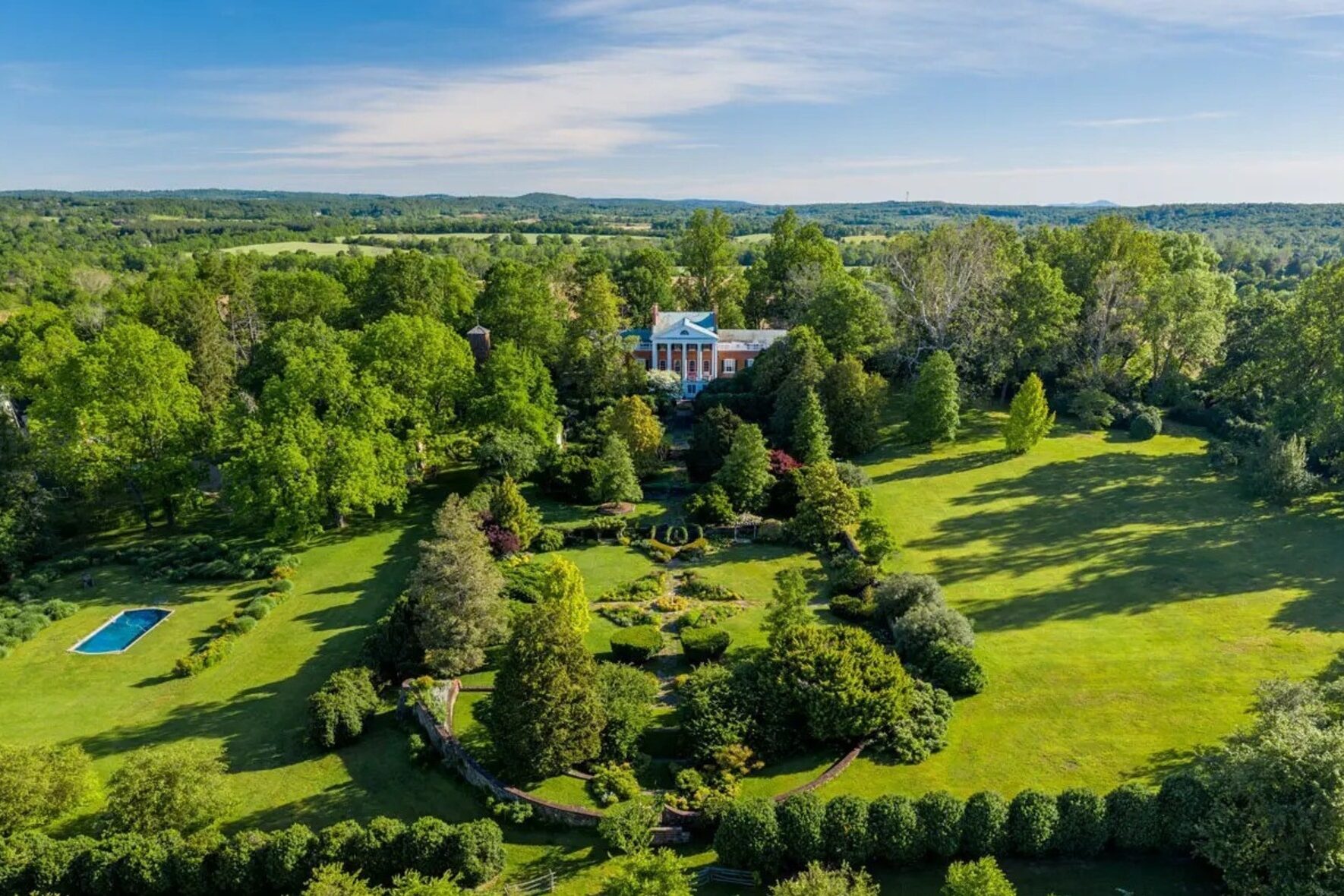
Oak Hill in Loudoun County, Virginia. Photo by Hugh Kenny.
A once-in-a-generation opportunity to create a new state park was passed by again this session. Legislators rejected two bills to acquire the land for a new state park at Oak Hill (HB500 / SB157), an important historic site that includes the former home of President James Monroe. This new state park would have expanded outdoor recreation in Northern Virginia, protected wildlife habitats and working farms, and preserved a historic site for future generations to learn and enjoy.
NO DEDICATED FUNDING FOR VIRGINIA’S GREAT OUTDOORS

Beginner Backpacking Hike in Greene County, Virginia. Photo by Jenn Loving Wade.
Virginians rely on the outdoors for exercise, outdoor recreation, and fund our economy. A lack of dedicated funding threatens these public lands and the opportunity to protect them for future generations. With more than 90% of Virginians supporting additional funding for Virginia’s Great Outdoors, there is clear statewide support to protect our public lands.
Legislators defeated the Virginia Great Outdoors Act (HB641 / SB393), which would have allocated $250 million annually to land conservation, public lands, trails, and outdoor recreation.
Learn more about efforts to increase conservation and outdoor recreation funding for Virginia’s Great Outdoors on our Bill of the Day post
MORE POLICY UPDATES FROM THE GENERAL ASSEMBLY

Bills that passed the General Assembly now head to the Governor’s desk for her to sign, amend, or veto by April 14th. Legislators will make a final vote on amended bills during Veto Session on April 22nd to determine which bills will officially become law starting on July 1st, 2026.
Be the first to know about new environmental legislation: register for our virtual General Assembly Recap on Friday, April 24th, from 10:30 AM – 12:00 PM. You’ll hear the inside scoop from environmental policy experts about the conservation community’s biggest victories, the missed opportunities, and any surprise outcomes from the 2026 General Assembly session.
See the outcomes of other environmental policies from the 2026 General Assembly session below:


