
Virginia’s Energy Plan
What Is The Virginia Energy Plan?
The energy landscape is constantly evolving. To address that evolution, the Virginia Energy Plan is updated every four years to outline the state’s roadmap for energy policy. A new energy plan will be drafted after the stakeholder review process is completed, including an online public comment window that closes on July 31, 2026, and an in‑person town hall to be held on August 3 in Petersburg. Residents from across the state are encouraged to submit public comments via the online form and to attend the town hall. The plan will then be drafted, reviewed, and published by Virginia Energy, the state agency tasked with advancing Virginia’s energy, mining, and mineral policies and initiatives. The updated 2026 plan is a ten-year strategy focused on affordability, reliability, resilience, and transitioning to a net-zero energy economy. The Energy Plan will describe current and emerging energy trends, identify challenges and opportunities across the energy system, and identify strategies over ten years consistent with the 2045 net-zero carbon energy economy for all sectors.
Data Center Accountability and Environmental Impacts
The impacts of data center growth on Virginia’s environment, nearby communities’ health, and ratepayers’ bills are known and startling. Right now, Virginians face financial, environmental, and health risks from unsustainable data center growth, utility plans powered by expensive gas plants rather than affordable clean energy, and a potentially overbuilt system if data center demand fails to materialize. Decision-makers have the opportunity to establish strong clean energy standards for data centers, including those with their own onsite power sources. Such standards should require data centers to use fossil fuel-free backup generators and meet all of their electric needs with clean energy sources. Similar requirements have been enacted in competitive markets such as Washington State.
Further action is needed to require the data center industry to pay its fair share. While the amended language in HB 1393 / SB 253 (2026, LeVere Bolling / Lucas) reflects an improvement to the statute governing allocation of costs for generation and distributed rates, significant costs are incurred through rate adjustment clauses (RACs), including transmission and fuel riders, as well as construction costs for new natural gas plants. A RAC is a specialized rate mechanism that allows utilities to recover specific costs outside of their general base rates, also known as “riders”.
The harms of the industry, including pollution, water use, higher energy bills, and negative impacts on local communities, are well documented. Poll after poll shows a rapidly growing opposition to data center development here in Virginia and across the country.
Strong environmental and ratepayer protection reforms are needed to hold the data center industry accountable. We need a clean energy system where data centers pay their fair share, rather than forcing local households to underwrite skyrocketing electricity demand and nearby communities to bear the brunt of their pollution.
Solar, Wind, and Battery Storage Expansion
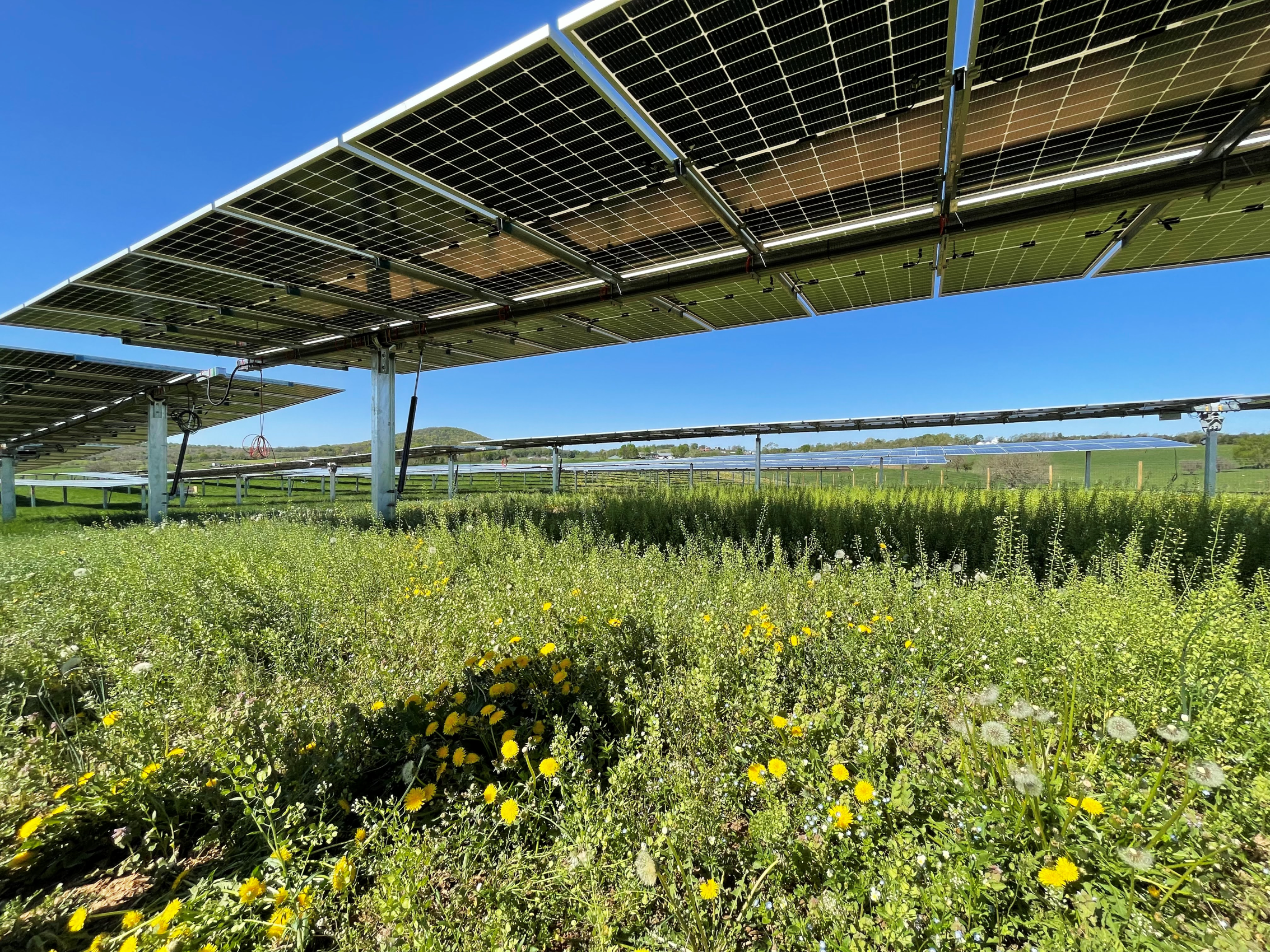
The Virginia Clean Economy Act has made Virginia a leader in the clean energy transition and positions the Commonwealth to meet growing demand affordably and reliably, particularly if the state leans into battery storage to support clean energy in the near term. Solar, wind, and battery storage are faster to deploy and more affordable than new fossil fuel generation. Focusing on proven low-cost technologies like wind, solar, and battery storage will protect Virginia customers while we decarbonize. It will also give lawmakers, regulators, and other stakeholders time to assess electricity demands and emerging carbon-free generation resources.
The Costs of Gas Projects and Their Impact on Public Health
The harms and costs of gas plants are well documented. Burning gas to generate electricity is expensive and drives up energy bills for customers. For example, Dominion’s proposed 1,000-megawatt gas plant in Chesterfield County would increase energy bills 120% by 2039 and cost ratepayers an estimated 4.5 billion by 2064. Public health damages from gas plants come with a cost. Permitted emissions from the Vantage VA2 data center’s gas turbine power system could result in $53 million to $99 million per year in health-related damages. Gas plants negatively impact public health while increasing asthma attacks and hospital visits.
Accessible Clean Energy for Families
Clean energy should be accessible to families throughout Virginia. Everyone should be able to lower their energy bills and benefit from clean energy, not just those who can afford large upfront investments. Virginia should incentivize small-scale distributed resources. Distributed energy resources (DERs) are a tool for accelerating this transition while maximizing affordability, equity, energy independence, and resilience. Investments that lower monthly utility bills create positive outcomes for Virginians. Every family should have access to clean energy and energy efficiency savings.
Making Utility Companies Compete
Dominion Energy CEO Bob Blue received compensation valued at approximately $16 million in 2026 while Virginia families continue to face rising energy costs. According to the Energy and Policy Institute, it would take an average worker more than 200 years to earn what Blue makes in a year. In November 2025, the State Corporation Commission approved a new Dominion Energy rate increase that added $16 a month to the typical residential bill. Now, households are paying higher bills to help Dominion cover $1 billion in unrecovered fuel costs for failed projects. Virginia families deserve the lowest-cost energy possible, not a blank check for monopoly utilities. Ratepayer protection depends on competition for clean energy investments, strong oversight of utility spending, and ensuring costs aren’t passed along to customers.
Take Action
Your participation in the Energy Plan helps shape Virginia’s energy future. From rising energy costs, the impacts of data centers, the harms of new fossil fuel infrastructure, the need for accessible clean energy, and the importance of utility accountability, many issues are essential to be included in the plan. The public may directly submit comments before July 31, 2026, here.
Town Hall Meeting on the Governor’s 2026 Virginia Energy Plan in Petersburg on August 3