
New Laws: Sharing and Distributing Clean Energy Through Virtual Power Plants
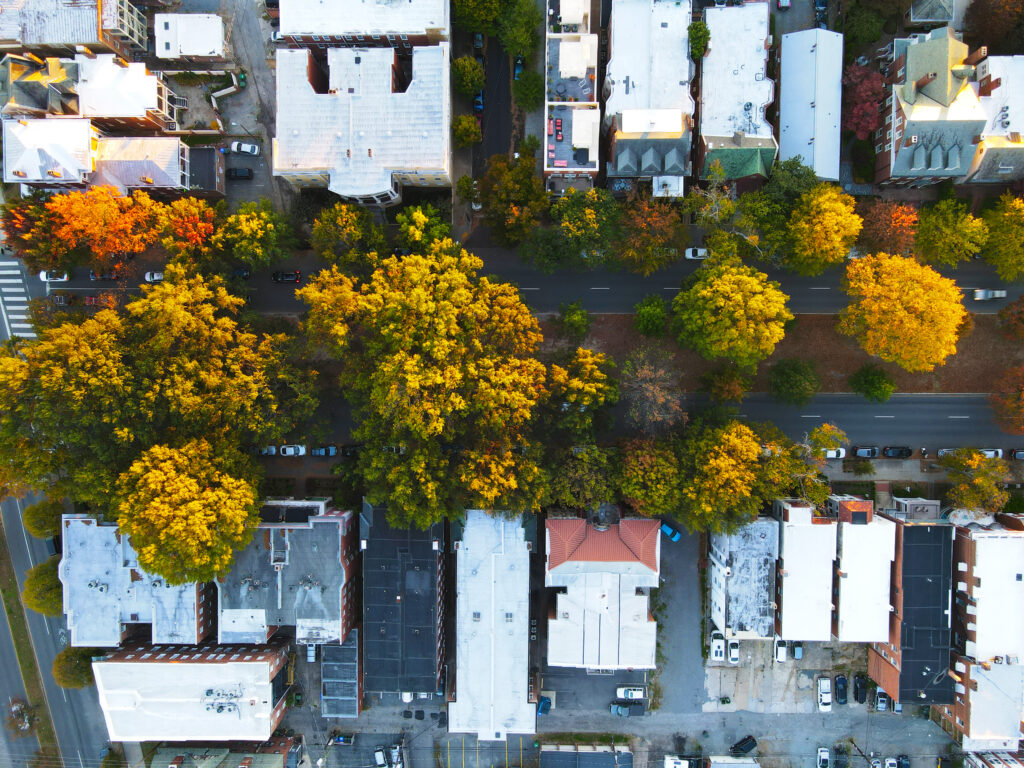
Monument Ave, Richmond. Photo by Andre Eanes
What is the Current State of Energy Demand in Virginia?
Energy demand continues to rise across the Commonwealth. Depending on large, expensive fossil fuel plants to meet this demand would rely on gas prices that remain volatile and uncertain in a global market, making it unrealistic for Virginians to continually utilize. Fossil fuel plants, including natural gas “peaker” plants, emit air pollution that is harmful to the health of communities nearby and the climate. If increased energy demand is met with fossil fuel instead of clean energy, harmful air pollution will increase.
Plans to build new fossil fuel plants to meet demand risks our health, environment, and economy. Virginians’ energy bills are predicted to rise as energy demand from data centers increases. Fossil fuel plants are more likely to be located near lower-income communities, resulting in disproportionate impacts. These communities are more likely to have a higher energy burden, spending up to four times the national average energy cost. Families living below the poverty line use a disproportionately high 21% of their income on home energy bills. Lower income households are a higher percentage of residents in rental units that are usually older, smaller, and less efficient, resulting in higher environmental harm and cost for individuals that are not contributing to the majority of the problem. Renters spend more than 30% more per square foot on energy than homeowners, which results in more carbon emissions per unit of energy used.
On July 1st, all bills that passed the 2025 General Assembly session became laws in Virginia. One of the bills that became law, advocated for by the environmental community, will allow for local clean energy to be shared and distributed within a community through a virtual power plant, helping meet increasing energy demands.
Specifically… (What does the VPP Pilot Program Do?)
HB2346/SB1100: Requires Dominion to launch a virtual power plant (“VPP”) pilot program. The virtual power plant will pull together local clean energy resources like rooftop solar, batteries, and smart thermostats and distribute clean energy to meet peaks in demands. In a VPP, energy is consolidated into one area and then distributed within the participating buildings.
How can VPPs Help Meet Demand with Local, Clean Energy?
All Virginians deserve to have access to energy that is clean, affordable, reliable, and safe. A virtual power plant relies on local clean energy sources that can be coordinated and distributed into the energy grid to meet Virginians’ energy needs. This program will evaluate electric grid capacity needs and the ability of VPPs to provide grid services during increased electric demand. Currently, this is the biggest pilot program in the country for a virtual power plant at 450 megawatts. This program aims to optimize electricity demand and grid capacity while also assisting disadvantaged communities by encouraging economically disadvantaged families to participate. Program participants are compensated for their participation.
Virtual power plants help the climate because all of the energy being utilized and created is clean, meaning energy usage does not produce fossil fuel emissions. In addition, energy is sourced and distributed locally, so there is minimal energy loss compared to miles long powerlines, resulting in more efficient energy production. It also reduces the need for new transmission lines to be built when energy is produced locally, mitigating pressures on lands and natural resources. VPPs allow for increasing grid demand to be met with reliable, local, clean energy.